 |
 |
 |
 |
 |
 |
 |
 |
 |
|||
 |
 |
|
|||||||
 |
|||||||
 |
|||||||
 |
|||||||
 |
|||||||
|
|||||||







|
||||||
 |
||||||
 |
||||||
 |
||||||
|






 |
 |
 |
 |
 |
 |
 |
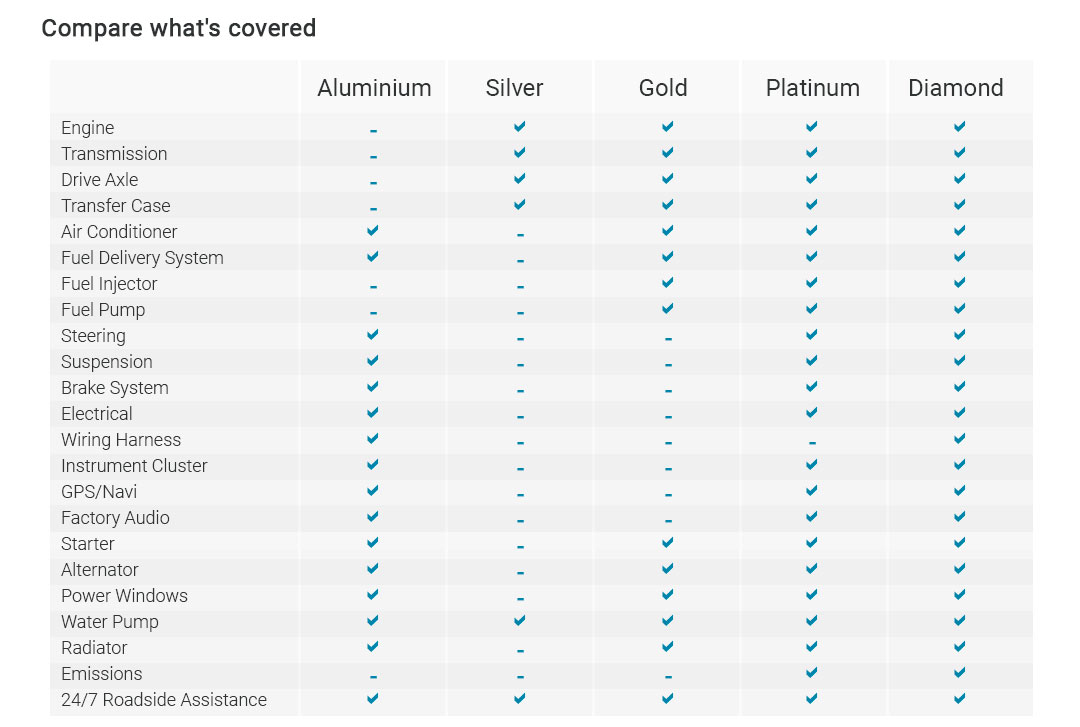
dodge warranty clarity and cost-smart decisionsI want clear numbers and plain promises, not shiny brochures. A dodge warranty can be solid protection or expensive reassurance you never use; the value lives in the details and your plans. Small pause: I reread the exclusions, no drama. Then I look at mileage, repair history, and what I'll realistically keep the car for. What the factory coverage generally includesDetails vary by model year and region, so confirm in your owner's materials. Still, most recent Dodge vehicles follow this pattern:
What is usually excluded
A quick real-world momentAt 47,000 miles my Durango's water pump began weeping. Powertrain coverage approved the replacement and a two-day rental. No drama - because I had maintenance receipts and the service advisor could point to the symptom history. That experience nudged my trust upward, cautiously. Cost vs. benefit: do extended plans pencil out?Mopar Vehicle Protection (factory-backed) and third-party service contracts both exist. Price swings with term, mileage, deductible, and vehicle. The math is simple: compare credible repair risks against total plan cost and your time horizon. Big-ticket possibilities - transmission or AWD components, advanced driver-assist sensors - are where coverage can pay for itself. Otherwise, you might just be prepaying for peace of mind.
How to protect eligibility and speed approvals
CPO and used purchasesDodge Certified Pre-Owned typically bundles extended powertrain coverage (often up to 7 years/100,000 miles from the original in-service date) plus short-term comprehensive coverage. Verify the in-service date, deductibles, and what's already been repaired. Ask for a warranty history report to avoid surprises. Common myths, clarified
Quick checklist before saying yes to an extended plan
Bottom lineTrust starts with accurate terms and ends with consistent service. Run the numbers against your driving and risk tolerance; if the likely repairs outweigh the premium, coverage is a rational hedge. If not, bank the cash, keep meticulous records, and let the standard dodge warranty do its job. Either way, clarity beats regret.
Main Topic:
New Car Warranty
https://www.chrysler-factory-warranty.com/dodge-factory-warranty/
The Dodge Factory Warranty Is as follows, Basic Warranty is 3 Years or 36,000 miles from the original purchase date. Powertrain Warranty is 5 ... https://www.dodge.com/warranty.html
Sign into the Mopar Owners Site to find information on your vehiclefrom your owners manual to warranty coverage to video tutorials and more. Find out what's ... https://www.jackpowell.com/dodge-warranty-coverage/
A comprehensive Dodge warranty. That includes a Dodge powertrain warranty, Dodge factory warranty, and other perks like roadside assistance coverage.
|
